Can Haze Also Damage Our Car Performance?

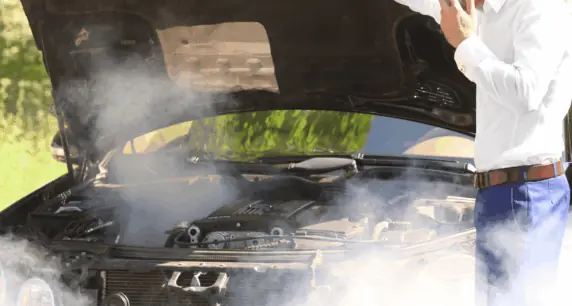
When haze hits, most of us immediately think about our health, wearing a mask, staying indoors, and avoiding outdoor activities. But did you know hazy, polluted air can also affect your car?
While haze may not directly “damage” your car overnight, the tiny particles and pollutants in the air can affect several vehicle components over time, especially the engine air intake, air filter, sensors, and air-conditioning system.
- Your Engine Needs Clean Air
Your engine needs a steady supply of clean air to achieve proper combustion.
During hazy conditions, the air contains more fine particles, dust, and pollutants. Your car’s air filter helps prevent these contaminants from entering the engine.
If the air filter becomes heavily clogged, the engine may struggle to get enough air.
You may notice:
- Slower acceleration
- Reduced engine performance
- Poorer fuel efficiency
- Rough engine operation
- Reduced throttle response
A dirty air filter doesn’t always mean your engine will suddenly fail, but continuing to drive with a severely clogged filter can affect overall engine performance.

- Your Air Filter Works Harder During Haze
Think of your engine’s air filter as a security guard. Its job is to trap dirt, dust, and other particles before they enter the engine. When the surrounding air contains more particles, the filter may become dirty faster than usual.
That’s why it’s important to check your air filter regularly, especially after periods of heavy haze or when driving in dusty areas.
Tip: Don’t wait until you experience performance problems before checking it.

- Polluted Air Can Affect Sensors
Modern vehicles rely on various sensors to monitor air and engine conditions.
For example, the Mass Air Flow (MAF) sensor helps measure the amount of air entering the engine. The engine control system uses this information to adjust fuel delivery and maintain proper combustion.
If contaminants affect the sensor, incorrect readings can potentially cause:
- Poor acceleration
- Rough idling
- Increased fuel consumption
- Engine warning lights
However, not every sensor problem is caused by haze. If these symptoms appear, proper diagnosis is important rather than simply replacing parts.

- Haze Can Also Affect Your Air-Conditioning System
Your car’s air-conditioning system is another area worth paying attention to. When you switch on the air conditioner, outside air passes through the vehicle’s cabin filtration system depending on your car’s ventilation settings.
A dirty or clogged cabin air filter can reduce airflow into the cabin.
You may notice:
- Weak air-conditioning airflow
- Unpleasant smells
- More dust inside the cabin
- The blower having to work harder
- Reduced cabin comfort
If your car has a cabin air filter, checking and replacing it according to the manufacturer’s maintenance schedule is a good habit.

- Don’t Forget the Cabin Air Filter
Many drivers know about the engine air filter but forget about the cabin air filter.
The cabin filter helps filter particles from the air entering your vehicle’s interior.During periods of haze, this filter can become particularly important for maintaining cleaner cabin air.
If you’ve noticed that your air-conditioning airflow has become weaker or there’s a dusty smell when you turn it on, the cabin filter could be worth checking.
Does Haze Really Damage Your Car?
The answer is:
Haze alone usually won’t suddenly damage your car.
However, prolonged exposure to dusty and polluted conditions can put additional stress on filters and potentially contribute to contamination of certain components.
The bigger concern is neglecting maintenance.
A clogged air filter, dirty sensor or restricted airflow may start as a small issue but can eventually affect vehicle performance if left unchecked.
What Can You Do During Hazy Weather?
Here are a few simple things car owners can do:
- Check your engine air filter: If it is visibly dirty or approaching its replacement interval, have it inspected or replaced.
- Check your cabin air filter: Especially if airflow is weak or there’s a dusty smell inside the car.
- Keep up with regular servicing: Routine maintenance helps identify dirty filters, sensor issues, and other developing problems before they become bigger concerns.
- Pay attention to warning signs: Don’t ignore unusual engine behaviour, warning lights, poor acceleration or changes in fuel consumption.
- Avoid unnecessary exposure: If haze levels are particularly bad, reducing unnecessary driving can also reduce the amount of polluted air passing through your vehicle’s filtration systems.

Haze Is Bad for More Than Just Your Eyes and Breath
We often think about protecting ourselves when haze arrives, but our cars need some attention too. Your car’s filters and air-related components are the first line of defence against contaminants in the air.
A little preventive maintenance can go a long way in keeping your vehicle running smoothly.
And remember, not every car problem is caused by haze. If your vehicle develops a warning light, unusual noise, poor acceleration, or other symptoms, get it properly diagnosed by a qualified workshop.
Take Care of Your Car Before a Small Problem Becomes a Big Repair
Regular maintenance helps you spot potential problems early. And for unexpected mechanical or electrical component failures, having the right extended warranty protection can also help you manage unexpected repair costs.
Drive safe. Maintain regularly. Protect your ride.